[SALZBURG, AUSTRIA] Festungs Fortress, Dom Quartier, Mozart's birth place, Residenz

The Festung Fortress had a fantastic view of the city of Salzburg. Much of it has remained as it was first built in 1077, though throughout the years the Archbishops have expanded the castle to prevent the Turkish invasion. Luckily, Salzburg also remained its neutral position during the 30 year's war, that largely helped to protect the baroque architecture to remain as it is today. 


 View from the fortress


This somehow reminded me of the town from Beauty and the Beast

 the night view of Salzburg is just as dazzling!


The Bräustübl Tavern
We came across this gem when we found we were still a little early for our Michelin star dinner Esszimmer. The Bräustübl Tavern  is a 1000 seat monk brewery since 1621. There were no clear signs and I believe we couldn't get any more local than this. 

We felt the air froze when we entered, since we were the only Asian (and possibly tourist) there, but they soon resumed to their normal day to day conversations. 


[US] Top 10 Things to do in NYC


1. Go Picnic & enjoy for an outdoor movie at Brooklyn Bridge Park or Bryan Park 


2. Visit the Frick Collection on Sunday (11am-1pm) for Pay As You Wish
3. Roam through the Chelsea historic district, walk the High Line and shop at Chelsea Market. (Remember to eat lobster roll! )
4. Experience Restaurant Week at Top Chef Restaurant in September -- Bar Boulud, Taboo's 
5. Immerse in antique books, autographs and listen to old tales at  Argosy Book Store


6. Get an awesome night view of NYC at The Press Lounge 


7. Fountain hopping at Washington State Park 


8. Snuzzle in at Kobrick Coffee for an afternoon read 


9. Get an afternoon tea at the Palm Court 

10. Gallery Gazing at historic district in Chelsea 

[Florence, ITALY] Day 1: Santa Croce, Ponte Vecchio, Antique Market Santo Spirito, Santa Novella Maria, Lobs Fish Restaurant, Duomo


Florence is a very walkable city, at every turn, there's something to amaze you.

Our apartment is literarily just at the corner of Basilica of Santa Croce, which is one of the largest Franciscan church in the world, and the resting place of Galileo, Michelangelo, Rossini and many others.


We took a long morning stroll around the city, making our way towards Ponte alle Grazie, so that we can get a good view of Ponte Vecchio, the only bridge that wasn't bombed in WWII (a last minute decision by the Germans to preserve it for its historic values). The Ponte Vecchio, also carries the secret passage "The Vasari Corridor" that connects Palazzo Vecchio to Palazzo Pitti and many of the other buildings in Florence. Supposedly the Medici instructed that every citizen's roof needs to be opened up to build a connecting passage that allows the family to travel anywhere above ground.


I think the best way to observe and understand a city, is to go to a local market. I was in luck, as the Saturday we arrived, there was an antique flea market at Santo Spirito, and it was a great place to watch people rummage through for treasure, hackle on price, and the owners chilling and chit-chatting with neighboring vendors. 

Wonder if they picked up these wine from old sailing boats? 
Amazing antique silverware 


We then stopped by Basilica Santa Maria Novella and Officina Profumo - Farmaceutica di Santa Maria Novella to do some shopping!


Although Florence is not really the city to have seafood, but if you are craving for some, Lobs Fish restaurant is the one to go. I would also suggest getting the warm seafood salad for appetizer. 

Since this is the first day of us arriving the city after a red-eye flight, we wanted to take things slow, so in the afternoon we took a quick tour at the Duomo. 

Tips: If you want to get ahead in line, they have tour guides (10 Euro per person) waiting at the door, which I thought was pretty decent deal since you get a little introduction about Cathedral of Santa Maria de Fiore (Duomo) and you didn't need to wait for the long queue. 


[Florence, ITALY] Day 1: Santa Croce, Ponte Vecchio, Antique Market Santo Spirito, Santa Novella Maria, Lobs Fish Restaurant, Duomo

[RECIPE] Fortune telling with Mille Crepes & Lady M


Every culture has their own way of predicting the future, and understanding the past. From reading coffee residues with Turkish Coffee, to tossing coins in your left hand with Mille Crepe frying, like a curious child, we want a sign that could guide us through the ups and downs. 

Mille Crepes was originally eaten in France on February 2nd, on "Candelmas" and the belief was that if you could catch the crêpe with a frying pan after tossing it in the air with your right hand and holding a gold coin in your left hand, you would become rich that year. 

Apart from sharing some of my insights as to why Lady M's crepe tastes so good, I'm also sharing my own recipe for you try out! 

Ingredient 
150g sifted flour
2 eggs
450 ml milk
10 g sugar
Pinch of salt 
Pinch of baking powder

Olive Oil 

Cream 
250ml of whipping cream 
100ml of mascarpone cheese 
Vanilla beans 
Raisin Rum 
      
Preparation 
1. Sift the flour
2. Let the batter chill for at least 2 hours before use  

Direction 
1. Make a well with the sifted flour 
2. Add in the egg and sugar 
3. Pour in milk at 2 or 3 intersessions and gently mix until smooth 
4. Make sure the pan is hot enough and lightly surface the pan with olive oil, wiping off the excess with a napkin. When there's some gently smoke coming up, pour in the batter. 
5. Tilt and swivel the pan to have a thin layer of batter coated, the thinner you can make it, the better 
6. Each side should take about 15-30sec each (depending on how thin your crepe is). The best way to know is that the side of the crepe starts to curl up, and you know it's time to turn and flip side
7. Continue until you finish using all batter. 
8. Make sure the crepes are cooled, before layering it with cream. 
[------Whipping Cream Preparation -----] 
9. For the preparation of whipped cream, beat the whipping cream until 70% peak (you should have a gent, yogurt like glossy texture, and when you turn over your egg beater, it should have a soft peak). Gently mix in the mascarpone cream with a spatula. You can add some vanilla extract/beans to the mix. 
[--------Assembly ------]
10. Spread layer of crepe with a thinly coated rum and whipping cream, and put the next crepe on top of it until you finish layering all your crepes. 

Tips
1. You can add any season fruits slices other than papaya, pineapple, kiwi.(Or the proteolytic enzymes will start to breaking down the protein and your cream will start to taste bitter). 
2. I like to add layers of my homemade raisin rum (for recipe click here) so that there's a airy accent of the rum. 
3, You can also caramelize the top layer, just by adding some refined sugars and use a fire gun to give that "Creme Brûlée" taste. I believe this is how Lady M's taste is different from others. 

Hope you enjoyed this recipe, and I'd like to hear your comments on how you make yours! :) Happy baking 


[RECIPE] A stroke of luck with Bailey's Coffee Marble chiffon cake


So the origin of the chiffon cake is purely American. It does not derive from some aristocrat fantasy, nor is it invented from some baker's experimental mistake. The first chiffon cake is credited to be invented by Harry Baker in 1927, an insurance salesman who bakes as a hobby and sold his cakes at a fancy Hollywood-goer restaurant. People usually used butter (i.e. in Bundt cake or sponge cake), yet vegetable oil became more affordable during that time, that must have led Harry to try out the cake recipes with a new ingredient that gives off that light fluffy texture. The cake is glorified to be the "best cake in 100 years" especially during 1940-1960, and I believe the recipe also spreaded its influence in Japan with its door opened to western influences after WWII. (Some of the best chiffon cakes now in Japan are originially from Kobe and Hokkaido). 

So here I have my rendition of the chiffon cake recipe, it's heavenly light and fluffy, with a hint of the baileys and espresso. Perfect 

Origin of this dessert: United States
Recommended drink pairing: Viennese coffee or espresso. 

Ingredients 
4 Eggs (separate egg white and yolk) 
Sugar   102g 
Olive oil 45g 
Milk       56g 
Bailey's  10ml 
Flour       102g 
Baking Powder  1.7g 
Dark Chocolate 10g (2 cubes) 
Cocoa Powder  5g 
Espresso   5-10ml 


Preparation 
Preheat oven at 210 celsius 
Sift four 
Separate egg yolk in bowl A and egg white in bowl B 
Gently heat up milk and olive oil in a cup (microwave is ok) for about 50sec 
18cm chiffon cake tin 

Direction
Add 1/2 of sugar into egg yolk in bowl A, mix well 
Add milk and olive oil into A, stir well and add bailey's and cocoa powder 
In a separate bowl B, beat egg white until foamy (like beer foams) before adding 1/3 of the rest of the sugar. At each stage, beat at high speed and add 1/3 of the sugar at each stage, until 70% peak. 
*To check if it is 70% peak, gentily twirl the egg beater and turn it upside down to see if you can form a soft ice-cream like peak with your egg white meringue 
Add 1/3 of the egg white to bowl A, lighly combine with the yolk mixture 
Add all of the flour and baking powder at one go, and use the egg beater to do an up-and down stir, gently folding the mixture from bottom to top, for about 3-4 turns, and change it to a spatula to check that the mixture is well mixed but not overdone 
Add the rest of the egg white meringue in and repeat the folding process, without overdoing it 
In a separate clean bowl, take 1/4 of the mixture and mix it with melted dark chocolate and espresso 
Pour in the mixture into the cake tin, and you can add in the dark chocolate mix into alternatingly to create the marble effect
Make sure hit the tin to get rid of the extra large bubbles
Bake for 31mins at 210c 

*Note: Turn the tin upside down immediately when removed from the oven, to avoid over-shrinking 


12 hours in Kyoto Geisha (Arashiyama & Bamboo Street)


1. Walk around Togetsukyo Bridge (Arashiyama)


2. Take a romantic train ride from Torokko to Arashiyama 


 3. Walk the path of the Geizha in the bamboo groves

This is where the movies "Geisha" and "Crouching Tiger, Hidden Dragon" was filmed.


5. Check out local porcelain 


6. Try out tea ceremony at Taihouan 對鳳庵  


12 Hours of Kyoto (and Yes Sakura Season!)


 1. Visit  Kyomizu temple & Jishu Shrine  清水寺 地主神社 
The Kyomizu Temple was found in 780, and was named as "Pure Water" Temple due to its close location to the Ootawa waterfall. The temple itself is built entirely without a single nail piece, as constructed largely based on a criss-cross locks between the wooden polls. 

The Jishu Shrine next to it, is famous for love and matchmaking. You will find two stones one a walk path, if you can successfully start from one end, and with your eyes closed, touch the stone on the other end without the help of others, you will be in a happy marriage! Although its only a 20m walk, and the path is crowded with couples buying lucky charms, or tourists taking photos, people are generally "in sync" in getting out of the way of those who are trying to walk through the crowd with their eyes closed!
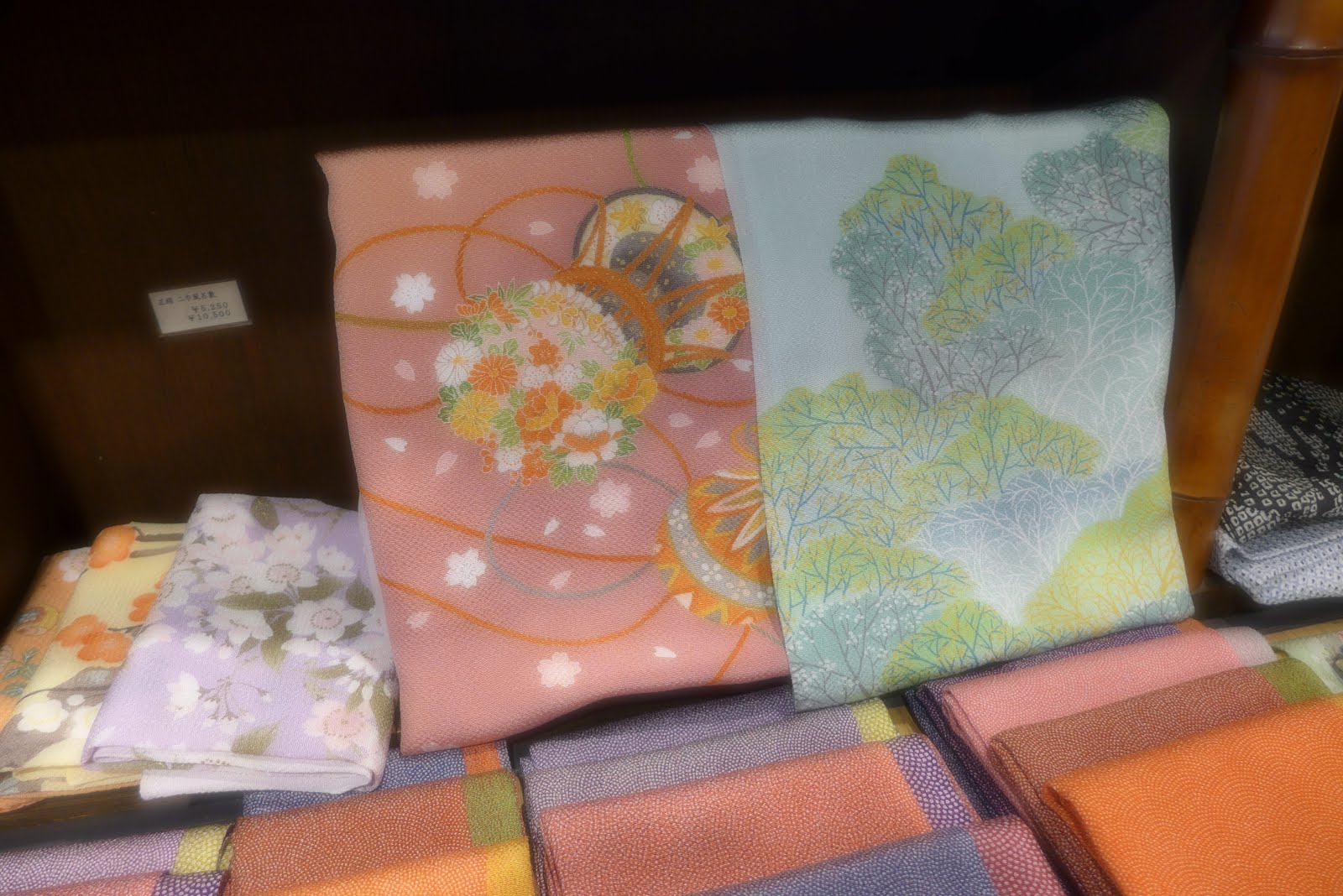


 2. Shop around the streets in Higashiyama district and make sure to get dessert from 清水京あみ (Kiyomizu Kyoami) 

This is the path leading to the Kyomizu Temple, and its packed with exotic procelain, kimono and snack shops. So although Kyoami is famous for the custard cream puffs and Macha ice-cream, make sure you try their in-season tea snacks (such as sakura blossom biscuits, Earl Grey biscuits).

Macha glutinous rice balls and rice tea 
I love all the kimono fabrics they had here! 
Cute paper crafts 
Kyoami (Check out their rabbit logo!) 


3. Have an afternoon tea at Chourakukan 長樂館
This Renaissance villa was commissioned to American architect James Gardine  byJapanese Tobacco tycoon in 1909, for hosting his foreign guests. The interior has remained its French origins, and you may find exclusive antique collections that got passed down from the family.


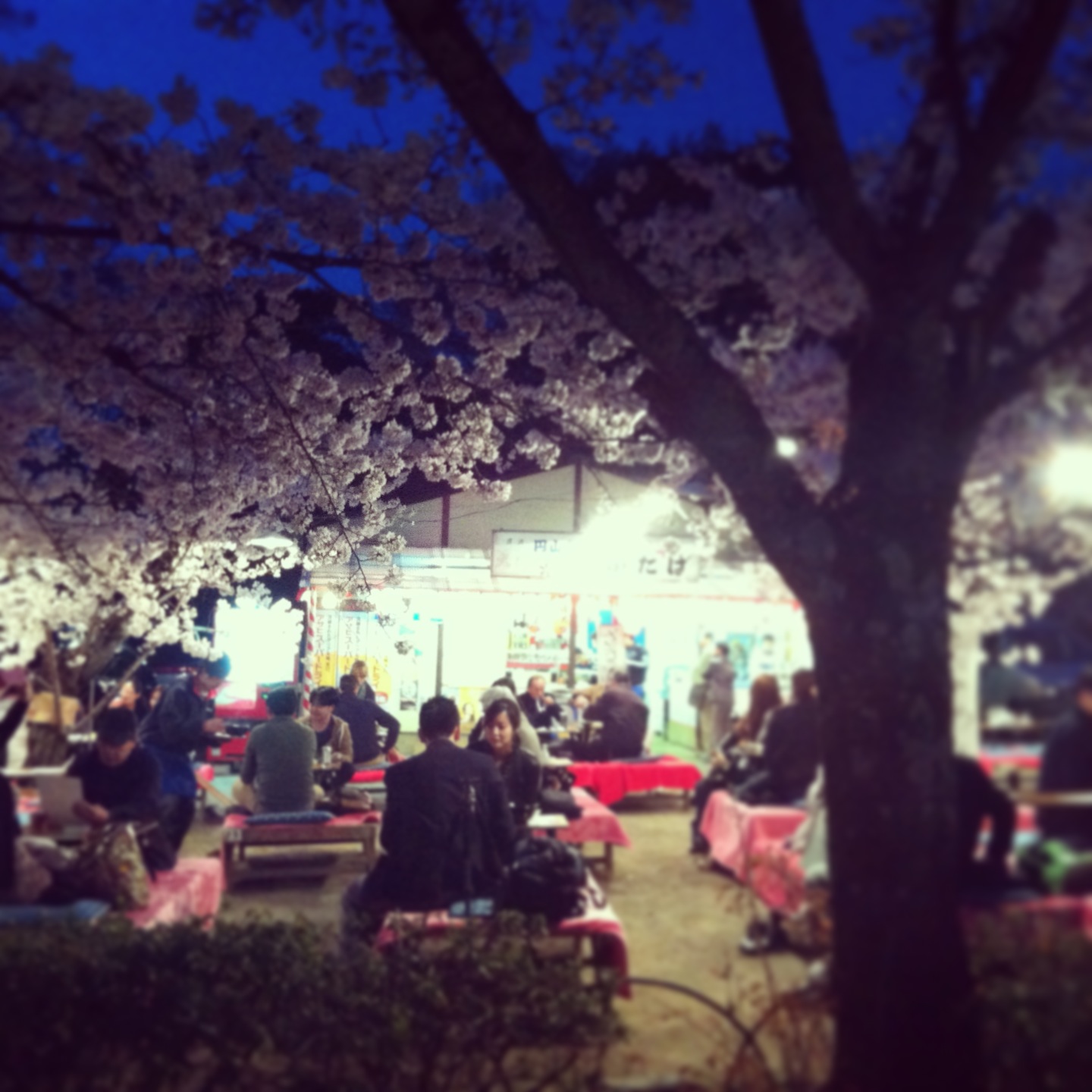
 4.  Try out late night tidbits at Yasaka Shrine and walk around Marumaya Park 圓山公園 


The Yasaka shrine is beautiful at night, with its rows of lanterns that are dedicated for business prosperity. It is also one of the most famous shrines, especially during Cherry Blossom seasons, as well as in July for the Gion Matsuri. 

You will be able to find a mini "night market" selling local tidbits such as octopus balls, grilled squid, okonomiyaki, and Japanese fried chicken.